2026 Web Design Trends Every Divi Creator Should Know

Web design in 2026 is about intelligence, immersion, and results-driven creativity. Trends now span AI-driven personalization, interactive 3D elements, performance-first approaches, and sustainable design practices.
Web design is evolving faster than ever—and as we move into 2026, Divi users are in a great position to stay ahead of the curve. With powerful visual building tools, performance-focused workflows, and enhancement plugins like Divi Pixel, designers can rapidly adapt to new trends without sacrificing flexibility or creativity.
In this article, we’ll explore the top web design trends expected to dominate 2026, offering insights to help you keep your projects fresh, relevant, and future-ready. Whether you’re crafting a portfolio site, eCommerce store, or marketing hub, these trends will help you design with intention.
Contents
AI-Driven Personalization
Personalization is becoming a core expectation rather than a “nice-to-have” feature. In 2026, websites will use AI to automatically tailor content, product recommendations, layouts, and calls-to-action based on user behavior, location, and previous interactions. This goes beyond static segmentation and enters the realm of real-time customization, ensuring each visitor sees a version of your website optimized for their preferences.
Divi users can implement AI-powered personalization through tools that integrate with dynamic content modules. For example, you can create sections that display different offers based on a visitor’s location or browsing history. Combining Divi’s Conditional Display options with AI analytics tools allows for smarter content strategies, increasing engagement and conversion rates without needing to write complex scripts.

Immersive & Interactive Experiences
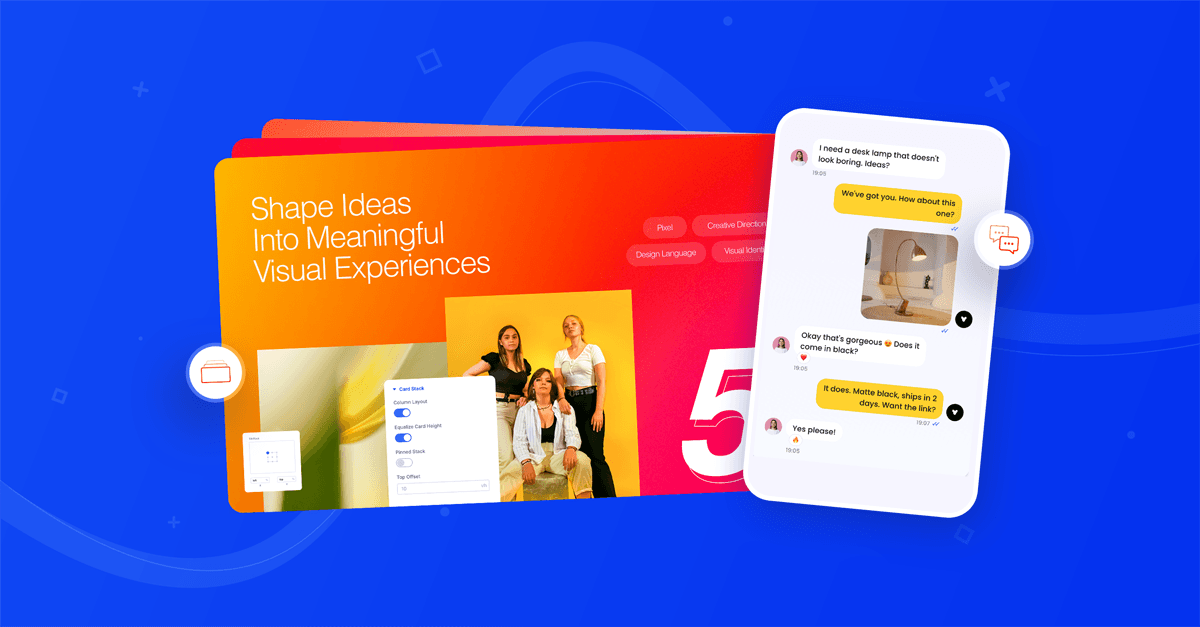
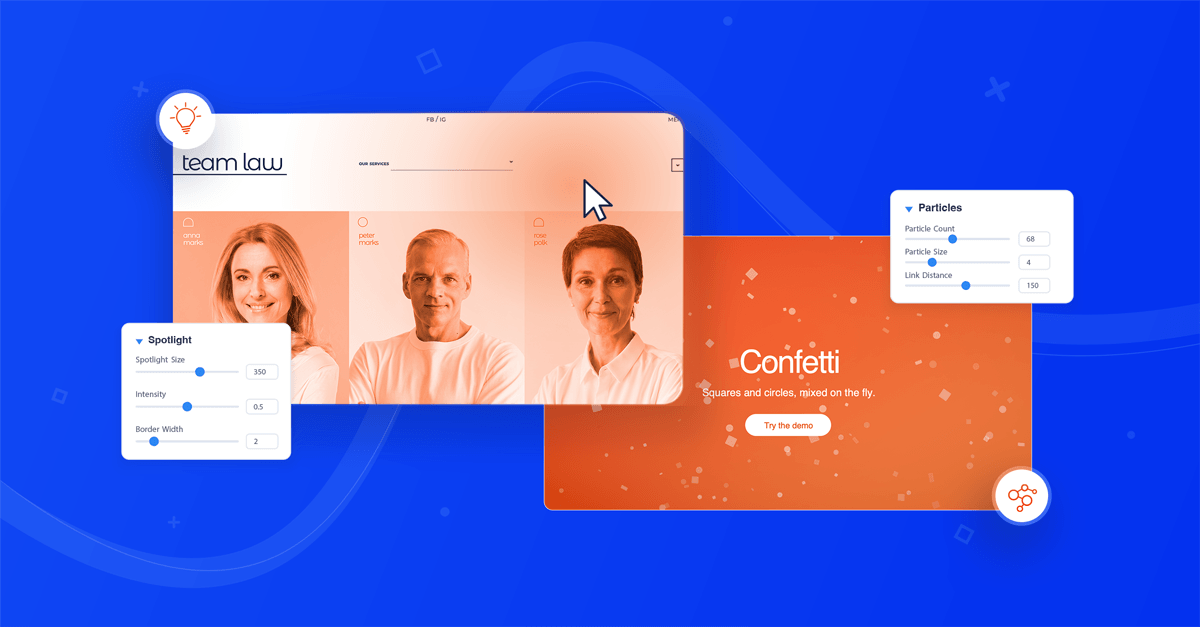
By 2026, users will expect websites to be interactive and engaging. Scroll-triggered animations, hover effects, interactive storytelling, and layered visual elements will transform static pages into experiences that feel dynamic and alive. These techniques improve engagement, guide users’ attention, and create a memorable impression.
With Divi, you can use built-in animations, scroll effects, and hover interactions to create immersive experiences. Divi Pixel enhances this further with modules like Parallax Image, which adds multiple layers with mouse-based parallax, and Tile Scroll, which moves multiple images horizontally or vertically based on scroll. These effects add depth and interactivity while keeping the site performant and engaging.
3D Elements Used with Purpose
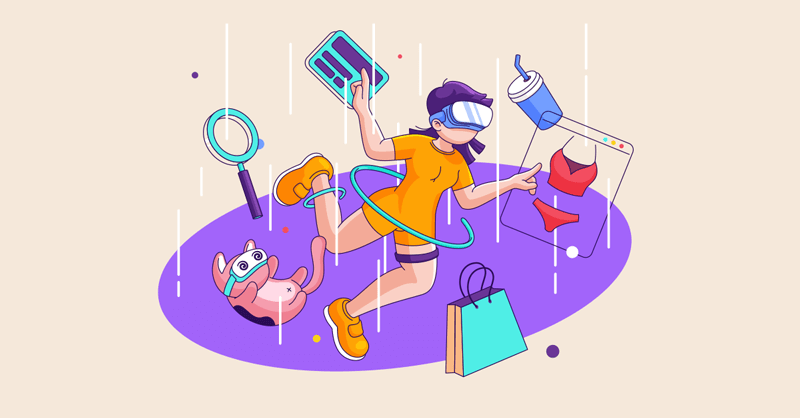
3D design is no longer just a novelty—it’s becoming an integral part of modern websites, particularly for product showcases, portfolios, and interactive storytelling. In 2026, 3D visuals will help communicate complex ideas, demonstrate products from multiple angles, and create a sense of depth that flat design cannot match.
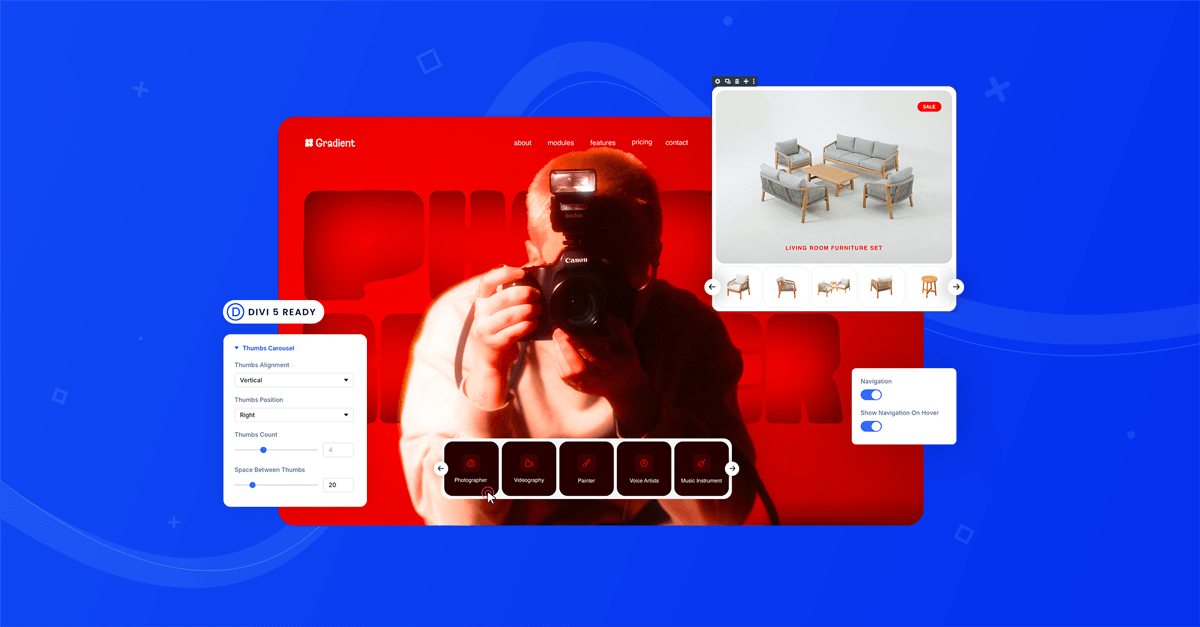
Divi users can leverage the Image Rotator module from Divi Pixel to create interactive 3D-like experiences, allowing visitors to rotate products or images directly on the page. This helps showcase products or visuals from multiple angles, enhancing storytelling and user engagement without relying on heavy custom 3D code. Designers should focus on using these interactive elements purposefully, making them functional and informative rather than purely decorative.

Smarter Micro-Interactions
Micro-interactions—small animations or responses triggered by user actions—will become more intentional and informative. For example, a subtle animation when hovering over a button can indicate that the element is clickable, or a dynamic form submission effect can reassure users that their action has been completed successfully.
Divi Pixel empowers designers to create advanced micro-interactions without coding. You can add scroll-based triggers, hover transformations, and entrance animations to guide users intuitively through content. In 2026, micro-interactions will not only enhance the visual appeal but also improve usability, making interfaces feel more responsive and alive.
Data-Driven Layout Design
The design decisions of the future will rely heavily on data and user behavior analysis. Heatmaps, session recordings, and analytics tools will dictate the placement of sections, CTAs, and content blocks. This means layouts will no longer be purely aesthetic—they will be optimized for conversions and engagement.
Divi’s modular system makes it easy to implement data-driven design. You can test multiple layouts quickly using Divi’s visual builder, rearranging sections or adjusting visibility based on analytics insights. By combining these tools with A/B testing, Divi users can make informed design decisions that improve user experience and maximize results.
Advanced Dark Mode & Dynamic Theming
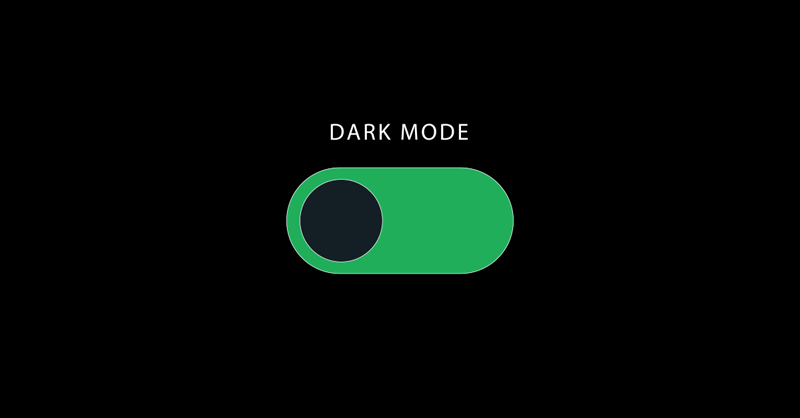
Dark mode has gained popularity, but by 2026 we expect dynamic theming to be standard. Websites will automatically adapt colors based on user preferences, device settings, time of day, or even ambient light. This improves accessibility, reduces eye strain, and offers a more personalized experience.
Divi supports dynamic theming through global color palettes, presets, and custom CSS, while Divi Pixel enhances these options with fine-grained control over color transitions and theme toggles. Implementing smart dark mode ensures your sites remain modern, user-friendly, and accessible, which will be a major differentiator in the coming years.
Sustainable & Performance-First Design
Sustainability is a growing concern in web design. Websites that are fast, efficient, and optimized reduce both energy consumption and environmental impact. Sustainable web design emphasizes optimized images, lightweight animations, minimal plugins, and clean code.
Divi users can adopt these practices by leveraging Divi’s performance updates, avoiding excessive plugins, and using Divi Pixel’s optimized modules. Additionally, carefully selecting animation types and media files ensures that your site loads quickly while maintaining aesthetic appeal. Sustainable design is no longer just ethical—it directly impacts SEO, user experience, and conversions.

Fluid Responsive Layouts (Beyond Breakpoints)
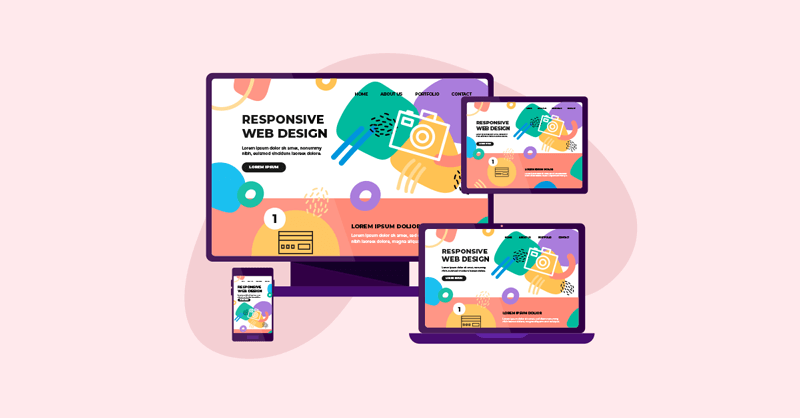
Traditional responsive design relies on fixed breakpoints, but by 2026, fluid and adaptive layouts will dominate. This approach ensures that websites scale gracefully across a wide range of devices, resolutions, and orientations, providing a seamless experience on every screen.
Divi already supports responsive units like vw, vh, and clamp, allowing designers to create fluid layouts. Combined with Divi Pixel’s responsive controls, users can fine-tune spacing, font sizes, and grid structures to maintain consistency and readability on any device. Fluid design reduces layout issues and makes websites feel more modern and flexible.
Bold Typography & Variable Fonts
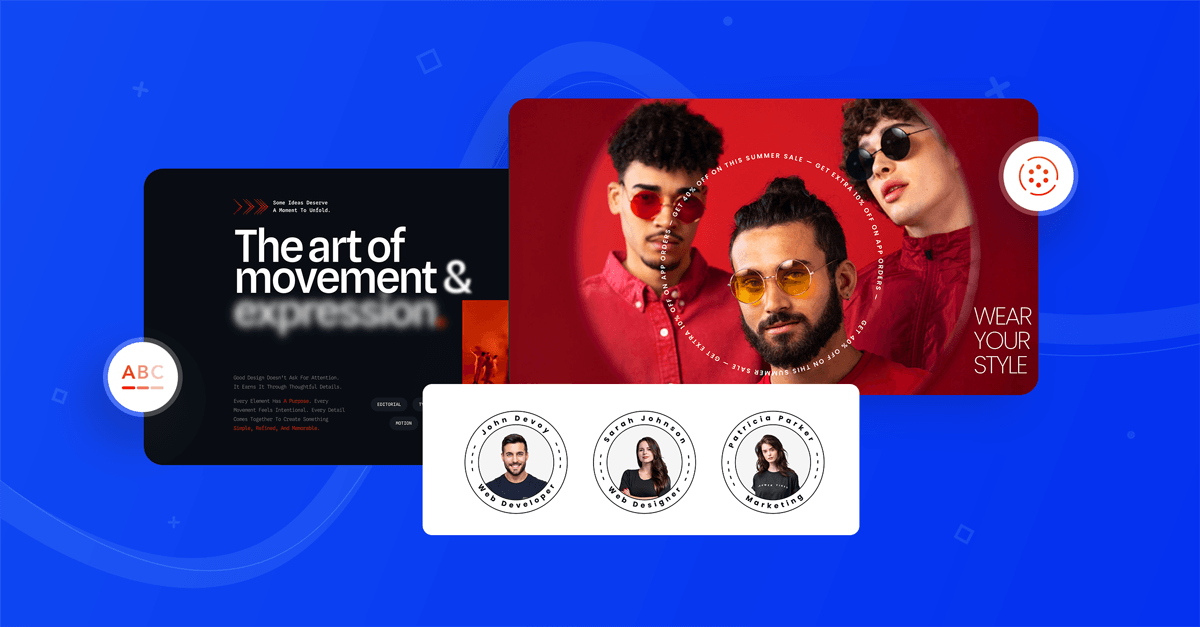
Typography will remain a key element of brand identity in 2026. Designers will leverage large headings, expressive font pairings, and variable fonts that can adjust weight, width, and style dynamically, all while keeping file sizes low.
Divi’s typography controls, global styles, and theme builder allow designers to implement these trends with ease. Using variable fonts improves performance and accessibility, while bold, creative typography helps your site stand out in a crowded digital landscape. This is especially important for Divi users creating brand-driven or portfolio websites.
No-Code Website Builders as Professional Tools
No-code builders will continue to grow as professional-grade design tools. In 2026, they will not be seen as shortcuts—they will be fully capable of producing complex, client-ready websites.
Divi empowers users to design, customize, and launch sites faster than ever. With Divi Pixel, you gain access to advanced modules, animations, and layouts that would traditionally require custom development. No-code tools allow teams to focus on creativity, UX, and performance, rather than getting bogged down in technical implementation. For Divi users, this means staying competitive while delivering high-quality results efficiently.

Web design in 2026 is all about intelligence, interactivity, and intentionality. From AI-driven personalization and immersive 3D visuals to performance-first sustainable design, the trends emphasize experiences that are not only visually compelling but also user-focused and results-oriented.
Divi users are uniquely positioned to embrace these trends. With the combination of Divi Builder’s visual flexibility and Divi Pixel’s advanced features, designers can create modern, functional, and high-performing websites without complex coding. By understanding and implementing these trends now, you can ensure your websites are future-proof, engaging, and built for success in 2026 and beyond.

Maciej Ekstedt
Maciej, co-founder of Divi Pixel, is a passionate web designer with over 15 years of experience. He has developed dozens of loved Divi products that have earned recognition from the global community. When he's not working on new ideas, he enjoys gardening, walking his dog, and spending time with friends.
Enhance your Divi Theme with Custom Settings and New Modules. Start Creating Awesome Websites with the Divi Pixel
We offer a 14 Day Money Back Guarantee, so joining is Risk-Free!